IT
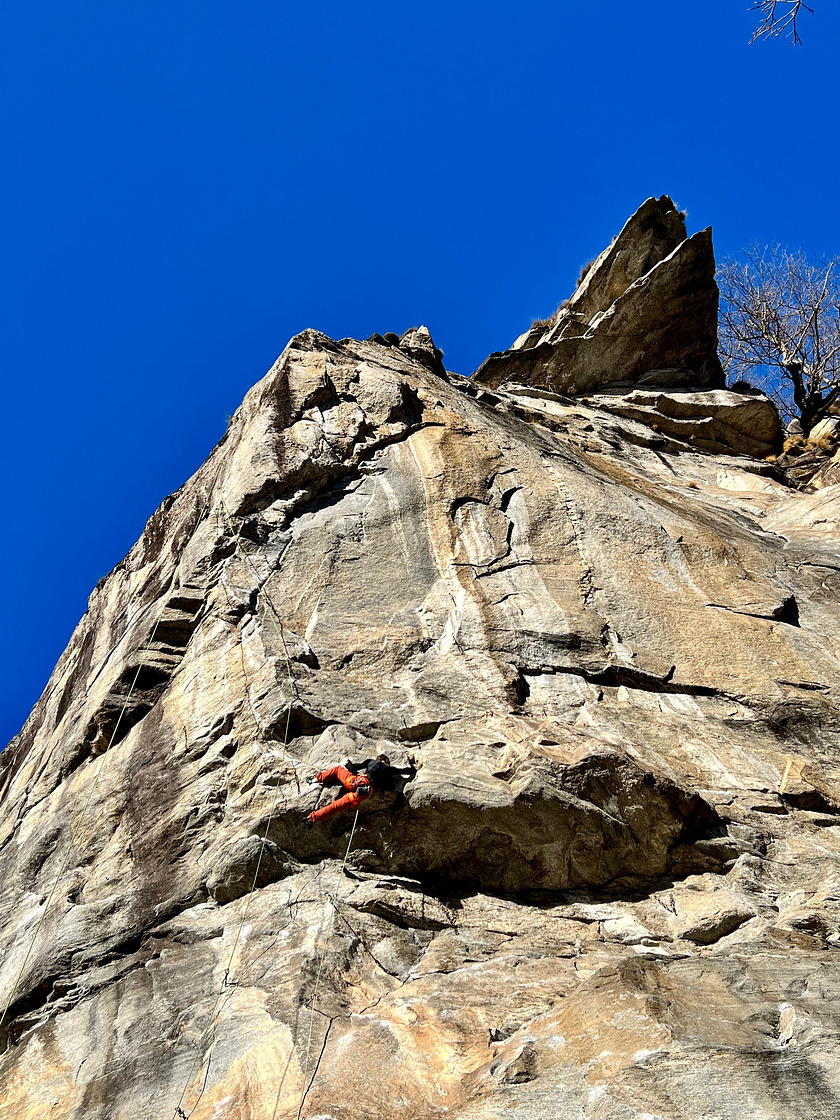
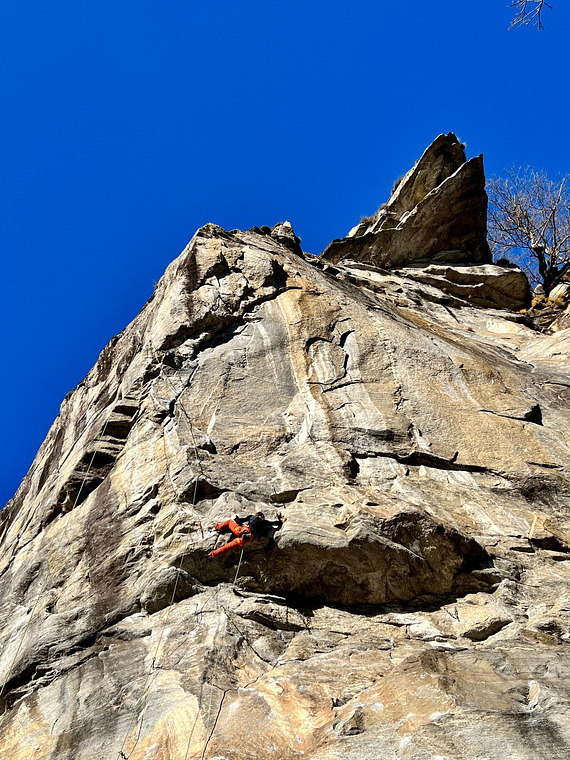
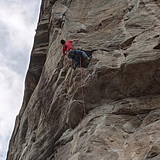
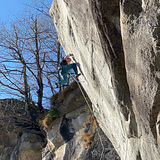
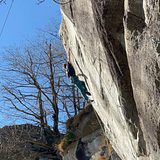
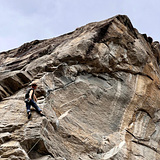
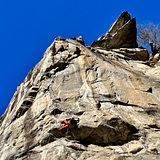
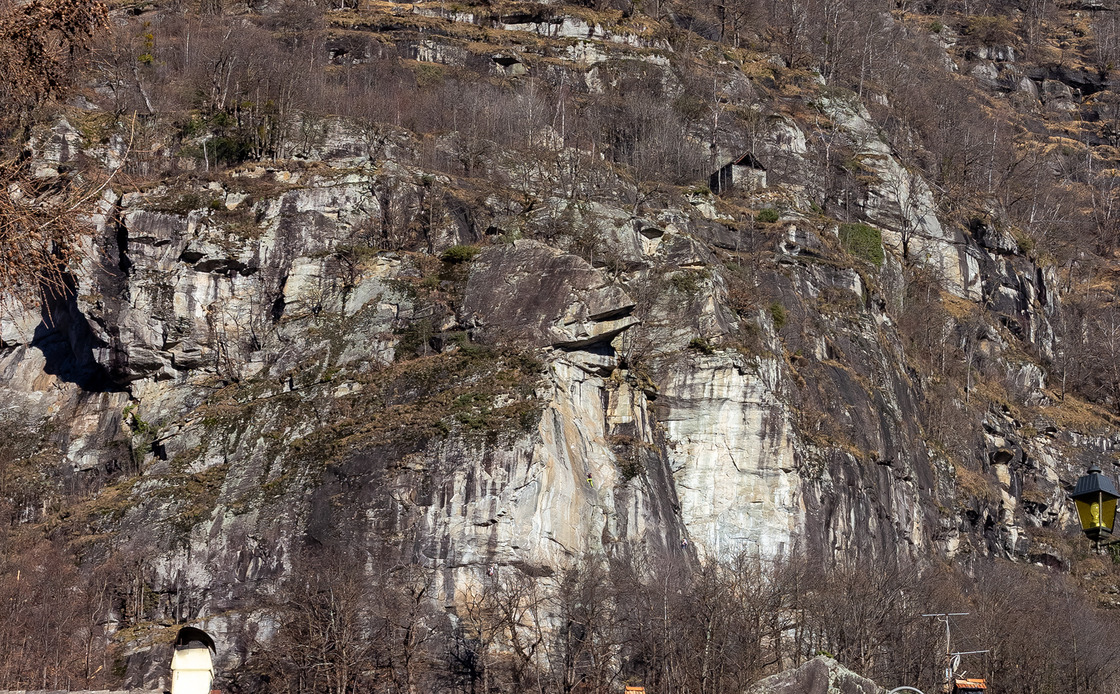
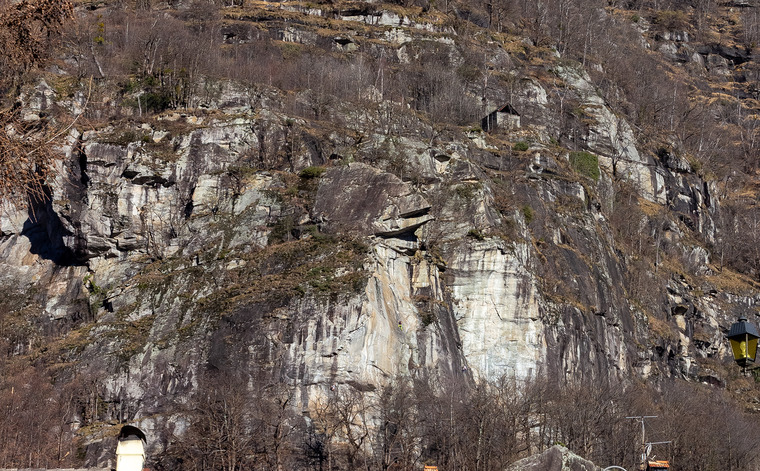
Imponente e scenica parete che sovrasta l'abitato di Croveo, ben visibile appena dietro il paese.
Probabilmente la falesia più famosa dell'ossola e tra quelle con maggior numero di tiri e per questo ampiamente frequentata, sia da scalatori italiani che stranieri: non è raro, nei week-end, trovare grande affollamento (sopratutto quando il padrone di casa, il "Pelli", organizza qualche mangiata o qualcuna delle sue famose castagnate) e, anche in settimana, è difficile non trovare nessuno in falesia.
Immersa in un bel bosco di castagni e con visuale panoramica sulla valle (dall'alto dei tiri), è situata indubbiamente in una piacevole location e con base comoda adatta anche ai bambini (per i quali, volendo, è stato creato anche un apposito settore: "Scalatine").
La roccia è uno gneiss di ottima qualità, lavorato a tacche, buchi, lame e fessure, indubbiamente vario, anche se purtroppo svariate prese sulle vie più dure sono state scavate.
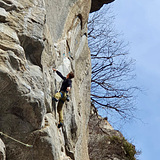
Le vie, comunque, risultano complessivamente essere molto belle e varie, offrendo un po' di tutto: placche, leggeri strapiombi, tetti, muri continui, diedri e fessure, tiri lunghi di resistenza e linee corte e boulderose: insomma, ce n'è per tutti i gusti.
I tiri più marginali, dei settori "destro", "sinistro", "ultimo spettacolo" e "secret garden", tendono a muschiarsi e sporcarsi un po' (anche in virtù della loro minor frequentazione) e sono anche quelli che rimangono bagnati e colati più a lungo; invece, i tiri più interessanti del settore principale reggono bene la pioggia, bagnandosi con difficoltà e comunque asciugando velocemente.
Vista l'esposizione a sud e sud-est, i periodi migliori per scalare qui sono l'inverno nelle belle e terse giornate non gelide (con qualche velatura e un po' di arietta, è molto facile trovarsi a congelare in falesia) e le mezze stagioni nelle giornate non troppo calde (comunque, nel pomeriggio, a orari variabili in base alla stagione, il sole tramonta dietro la montagna antistante).
"Croveo classica", nonostante la sua età, rimane sempre un evergreen.
GB
Imposing and scenic wall that overwhelms the village of Croveo, clearly visible just behind the town.
Probably the most famous crag in Ossola and among those with the highest number of routes and for this reasons widely visited, both by italian and foreign climbers: it's not uncommon, on weekends, to find a big crowd (especially when the landlord, "Pelli", organizes some food or one of his famous chestnut roasts) and, even on weekdays, it's hard not to find someone at the crag.
Nestled in a beautiful chestnut forest with a panoramic view of the valley (from the top of the pitches), it's undoubtedly located in a pleasant spot with a comfortable base suitable for kids (for whom, if you want, a special sector has been created: "Scalatine").
The rock is a high-quality gneiss, worked into crimps, pockets, flakes and cracks, undoubtedly various, even if unfortunately several holds on the harder routes have been chipped.
The pitches, however, are overall very beautiful and various, offering a bit of everything: slabs, slight overhangs, roofs, continuous wall, dihedral and cracks, long endurance routes and short bouldery lines: in short, something for everyone.
The more marginal routes, in the "Destro", "Sinistro", "Ultimo spettacolo" and "Secret garden", tend to get mossy and dirty (also due to their lower attendance) and are also the ones that stay wet and drippy the longest; instead, the more interesting pitches in the main sector hold up well to rain, getting wet with difficulty and drying quickly anyway.
Given the south and south-east exposure, the best periods to climb here are winter on clear, not freezing days (with some cloud cover and a bit of breeze it's very easy to freeze at the crag) and the shoulder seasons on not too hot days (anyway, in the afternoon, at very variable times depending on the season, the sun sets behind the mountain opposite).
"Croveo classica", despite its age, remains an evergreen.