❄️winter and middle seasons are the best
☀️sun during the day: Not really, is well shaded
👪 family friendly:YES in Litigometro, Mc Carthy and Placca dell'Artista
🇬🇧
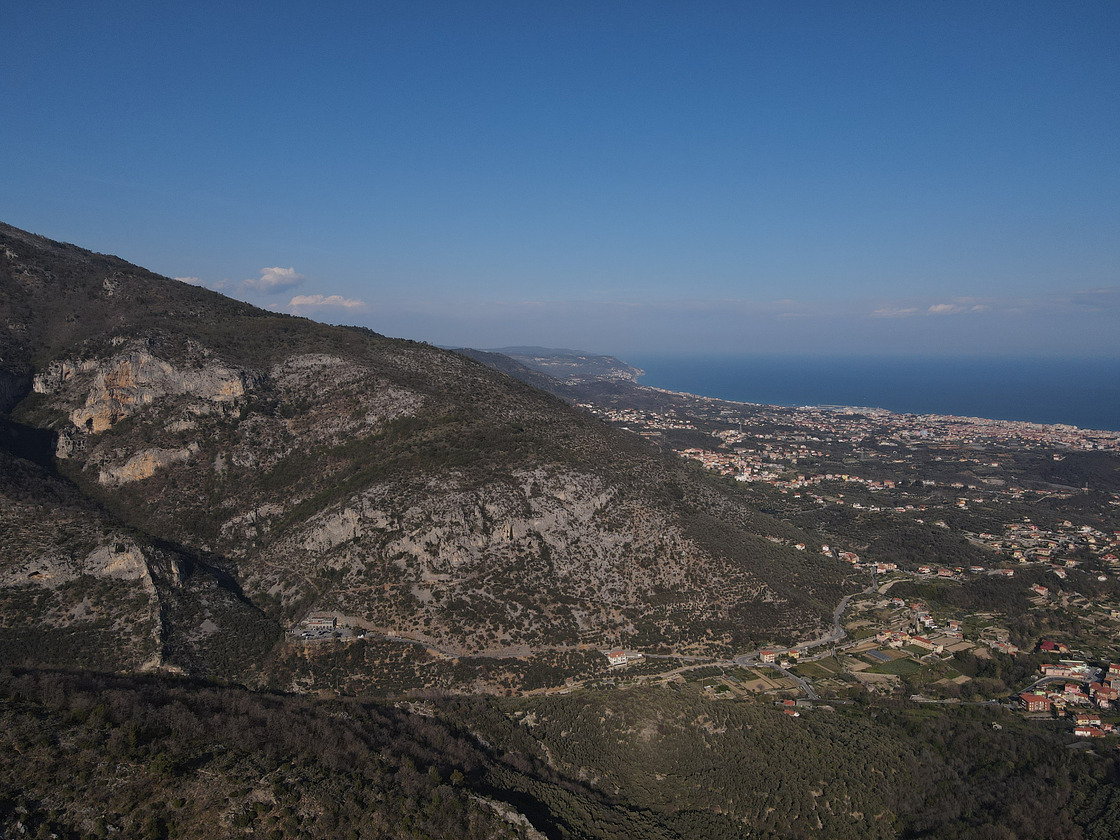
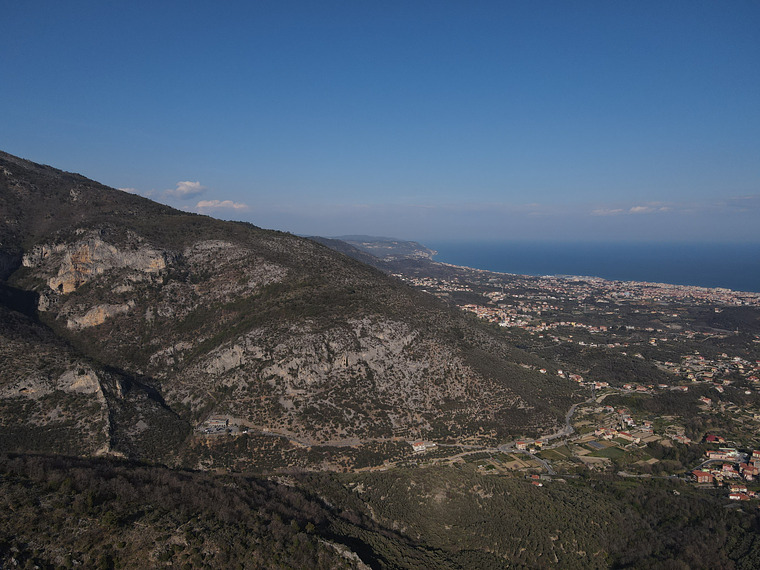
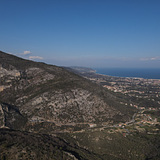
The territory of Toirano is made up of calcareous-dolomitic rock with huge hills that can even reach 1000 meters above sea level, joined up to the plain of Borghetto by excavated hills with the presence of canyons created by the various small rivers which, once united, form the Varatella stream. all surrounded by the presence of various rock faces.
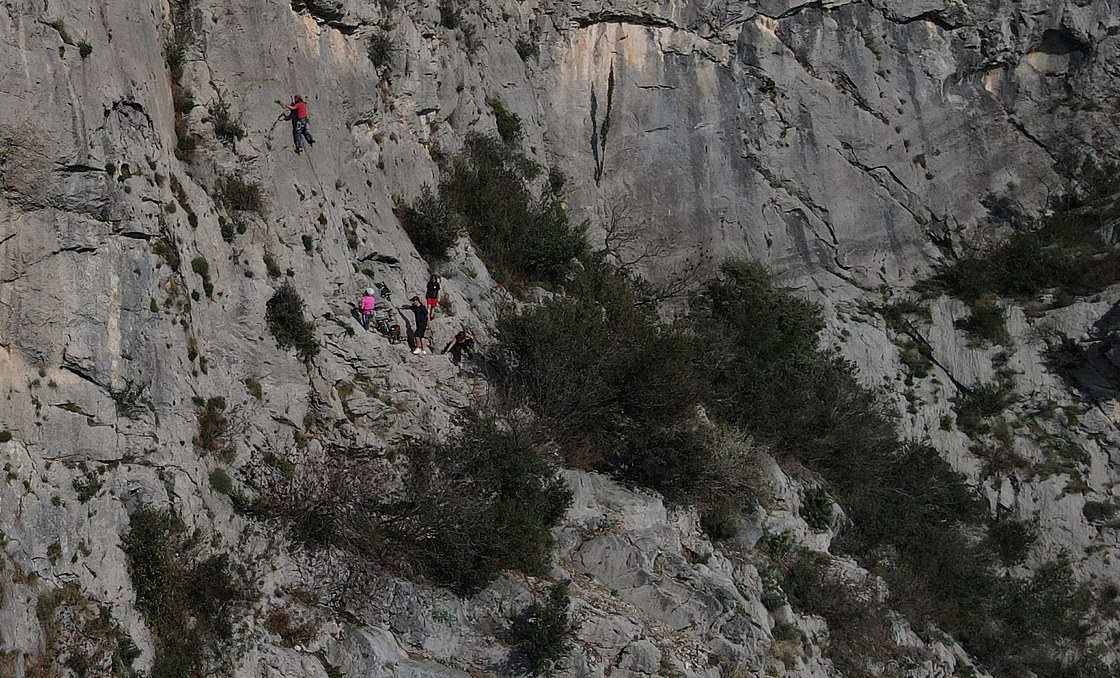
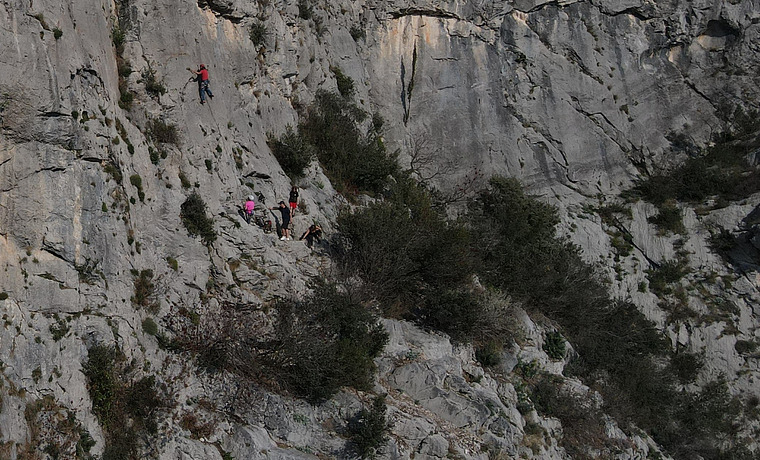
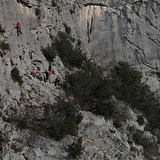
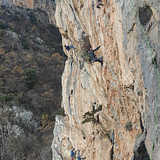
The crags in the Toiranese area include 500 climbing routes featuring different climbing styles, from tufas to erosions, from clean holds to cracks, from single pitches to multi-pitch, from third grade up to 8a+.
It can be climbed all year round, thanks to the climate and the different exposures of the cliffs surrounded by a fascinating nature just a few km from the seaside cities.
🇮🇹
Il territorio di Toirano è formato da roccia calcareo-dolomitica con enormi ammassi che possono arrivare anche a 1000 metri di altitudine, uniti fino alla pianura di Borghetto tramite colline scavate con presenza di canyon creati dai vari fiumiciattoli che una volta uniti formano il torrente Varatella, il tutto contornato dalla presenza di varie pareti rocciose.
Le falesie nel Toiranese comprendono 500 vie di arrampicata che presentano stili di arrampicata differenti, dalle canne alle erosioni, da prese nette a fessurine, da monotiri a multi-pich, dal terzo grado fino all'8a+.
Si può scalare tutto l'anno, grazie al clima e alle diverse esposizioni delle falesie circondati oltretutto da una natura affascinate a soli pochi km dalle città sul mare.
🇬🇧
Climbing in Toirano dates back to the 1930s, in fact old pitons had been found in the 1960s.
The safest information, however, concerns the end of the 60s thanks to Aureli, Mattioli and Casini who open two routes in alpine style.
In the 80s we can instead find the first free-climbing routes.
In 1985 Mauro Curzio uses a battery drill to create the first hole and meets Luigi Minetto known as Gigio, with whom they open the first routes on the most comfortable wall in Toirano, the Palestrina. Then Gigio opens the first route on the walls of Groa, the Fessurina and in 1986 with the locals and other climbers they equip other routes alongside those already opened by Mauro Curzio.
The Zambarino brothers will also arrive in 1989, bolting other routes.
The 90s began in an excellent way even if the death of Mauro Curzio due to an accident put a stop to climbing in Toirano.
At the beginning of 2000 Toirano will be considered again and Fulvio Balbi opens a new sector (the Cascata) with different types of routes, unfortunately however there will be a stop again due to some species of birds that need tranquility to nest in some areas of the Toiranese. However, this situation makes it possible to re-appreciate the closest walls and thanks to Marco Zambarino and his cousin Emanuele Zambarino in 2003 they create the first resin route of Toirano and then with the help of the locals in 2005 the Climbers Toirano group is born who publish "Climbing between Basure and Fene" to help with the costs of the bolts.
Andrea Giorda and Manolo also arrive.
Years go by and in 2010 the Climbers Toirano, thanks to the help of "Sam" Samuele Meinero, transform themselves into the amateur sports association Climbers Toirano, creating events for the promotion of climbing such as the one for children in 2009 or the first boulder contest of the 2013.
In 2022, the Falesia delle Stelle climbing crag was bolted by Zambarino in memory of his friend Luigi Minetto, a well-known route developer from the English and German climbing areas, who recently passed away.
🇮🇹
L'arrampicata a Toirano risale agli anni 30, erano infatti stati trovati vecchi chiodi negli anni '60.
Le notizie più sicure però riguardano la fine degli anni '60 grazie ad Aureli, Mattioli e Casini che aprono due vie in stile alpino.
Negli anni '80 possiamo invece trovare le prime vie in free-climbing.
Nel 1985 Mauro Curzio utilizza un trapano a batteria per creare il primo foro e incontra Luigi Minetto detto Gigio, con il quale aprono le prime vie sulla parete più comoda di Toirano, la Palestrina. Poi Gigio apre la prima via sulle pareti di Groa, la Fessurina e nel 1986 con i locals e altri arrampicatori attrezzano altre vie affianco a quelle già aperte da Mauro Curzio.
Arriveranno poi anche i fratelli Zambarino nel 1989 attrezzando altre vie.
Gli anni '90 iniziano in ottimo modo anche se poi la scomparsa di Mauro Curzio a causa di un incidente mette uno stop all'arrampicata a Toirano.
Agli inizi del 2000 Toirano verrà di nuovo considerata e Fulvio Balbi apre un nuovo settore (la Cascata) con diversi tipi di vie, purtroppo però ci sarà di nuovo uno stop a causa di alcune specie di uccelli che necessitano tranquillità per nidificare in alcune zone del Toiranese. Questa situazione permette però di riapprezzare le pareti più vicine e grazie a Marco Zambarino e il cugino Emanuele Zambarino nel 2003 creano la prima via resinata di Toirano e poi con l'aiuto dei locals nel 2005 nasce il gruppo Climbers Toirano che pubblicano "Arrampicare tra Basure e Fene" per aiutarsi con le spese delle chiodature.
Arrivano anche Andrea Giorda e Manolo.
Passano gli anni e i Climbers Toirano nel 2010, grazie all'aiuto di "Sam" Samuele Meinero, si trasformano in Associazione sportiva dilettantistica Climbers Toirano, creando manifestazioni per la promozione dell'arrampicata come quella per i bambini nel 2009 o il primo boulder contest del 2013.
Nel 2022 la Falesia delle Stelle viene chiodata da Zambarino in onore all'amico scomparso Luigi Minetto, grande chiodatore della zona