• Sport and boulders
🚶♂️ 10' - ⛰️ 300-330 MSL - 🧭 N / E / S / W
☀️ Various expositions / Esposizioni varie
• Pausapranzo
🚶♂️ 25' - ⛰️ 300 MSL - 🧭 SW
☀️ All day / Tutto il giorno
• Coste di Loppio
🚶♂️ 25' - ⛰️ 400 MSL - 🧭 S
☀️ All day / Tutto il giorno
🇬🇧/🇺🇸
Passo San Giovanni is a quite large climbing area located not far from Nago, on the way to Rovereto. There is plenty to do here, offering a rich mesh-up of historic and new-style climbing, from technical sport routes and multi-pitches to a massive bouldering circuit.
The area is divided into logical sectors:
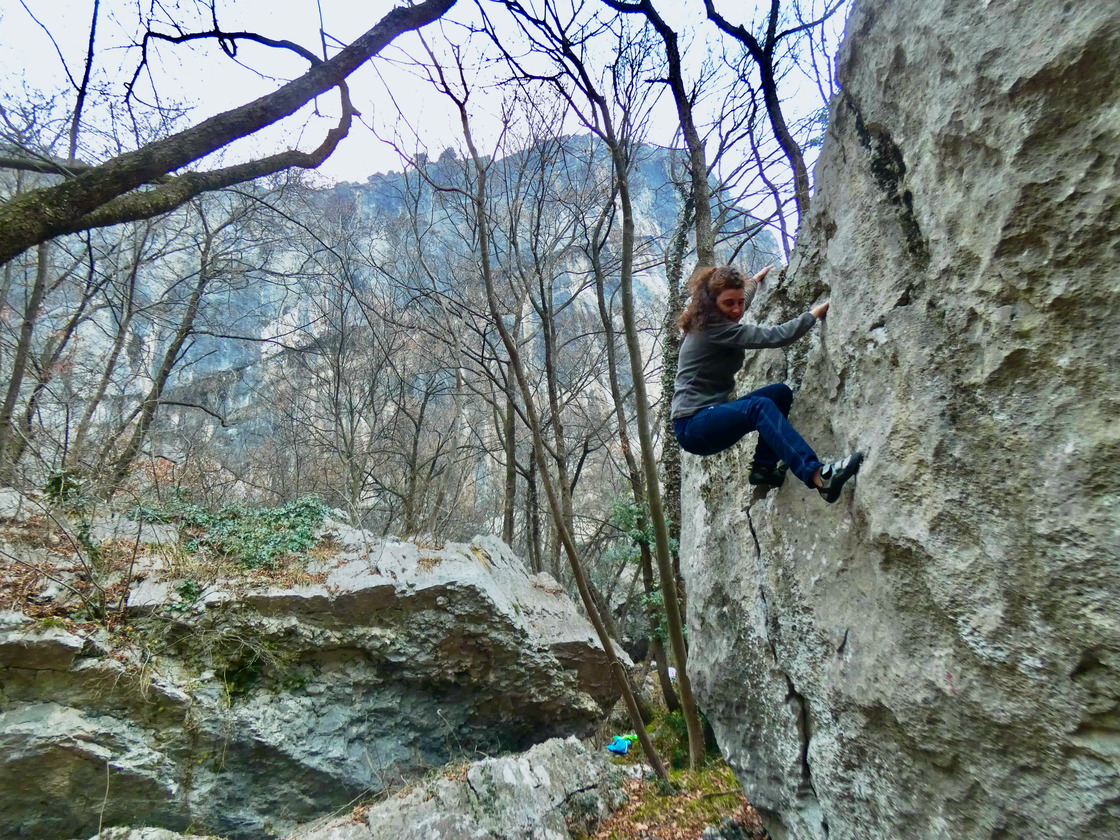
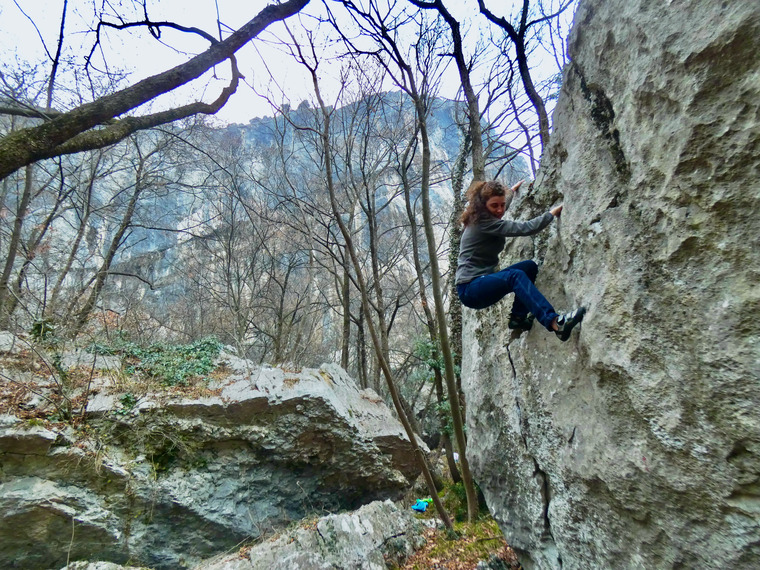
• Passo San Giovanni: This crag is a true piece of Arco's climbing history. It is composed of a beautiful grey vertical wall and a cluster of boulders nestled in the woods. The routes on the main wall are long and technical, while the sport lines on the boulders are short but demanding. Notably, sector C hosts Fafifurni, the first completely natural 8a ever climbed in Arco. The equipment is good and the base is very comfortable and family-friendly, making it a great spot for children. With 51 routes ranging from 3 to 8a, there is something for everyone. Some of the classic routes might feel a bit polished, but they remain excellent climbs. The sport boulders can also be top-roped by accessing the anchors from behind. Surrounding the sport routes is a pure bouldering area with about 180 problems ranging from 3 to 8A. Some blocks are small and perfect for kids, while others are committing highballs. The starts are marked with colored arrows indicating difficulty: orange (4 or easier), green (4 to 5), red (5 to 6A+), black (6B to 6C), and white (harder than 6C).
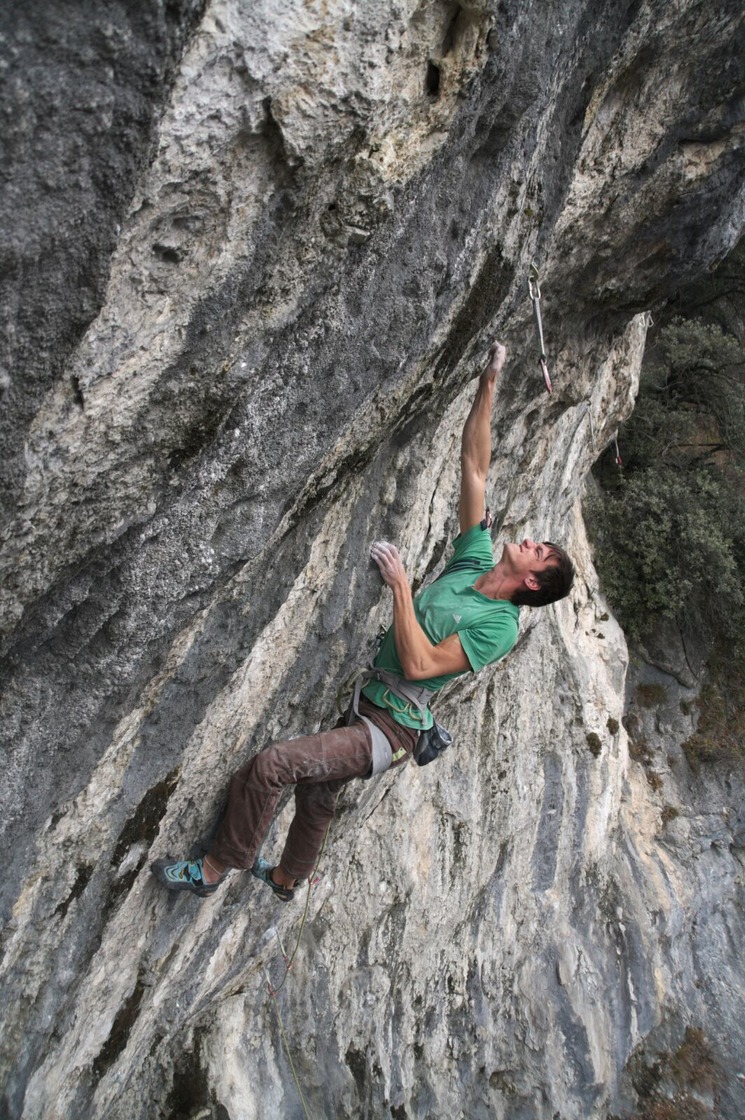
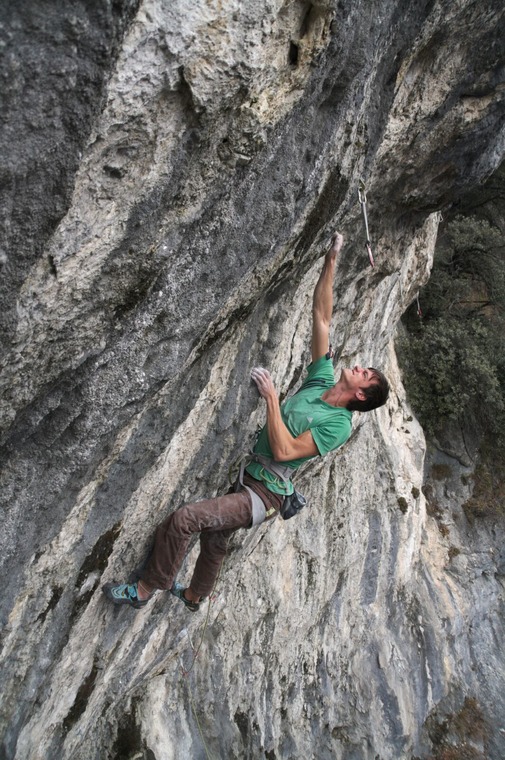
• Pausapranzo: This is one of the most recent and arguably one of the best winter sectors in Arco—it is quite normal to climb here shirtless even in the colder months. Pausapranzo requires good climbing skills, as the wall is overhanging and difficulties generally start above 7c. The lines are futuristic, often following traverses and the natural shapes of the rock. The rock itself is aggressive and absolutely not polished. While the crag base is not the most comfortable, fixed ropes have been properly set up for safety. Avoid this sector after long rainy periods due to seepages. Do you want to test the new school climbing style of Arco? Come to Pausapranzo and enjoy the mild temperature and the good rock.
• Coste di Loppio: This recent and interesting sector features 5 multi-pitches with contained difficulties. The approach is easy, and the descent is done by following a trail from the top back to the base. It is highly recommended for winter and mid-season climbing.
For rest days, the area is packed with options. You can head down to Torbole or Riva del Garda for a refreshing swim or a windsurfing session on the lake. If you are looking to refuel, exploring the local culinary scene is a must—be sure to try a hearty plate of traditional carne salada, a true specialty of the Arco region. For a cultural trip, the nearby town of Rovereto offers excellent museums, including the MART (Museum of Modern and Contemporary Art).
🇮🇹
Passo San Giovanni è un'area di arrampicata piuttosto vasta situata non lontano da Nago, sulla strada per Rovereto. Qui c’è molto da fare, da un ricco mix di arrampicata storica a uno di nuova concezione, che spazia da vie sportive tecniche e vie lunghe a un vasto circuito di boulder.
L'area è divisa in settori logici:
• Passo San Giovanni: Questa falesia è un vero pezzo di storia dell'arrampicata di Arco. È composta da una bellissima parete verticale grigia e da un gruppo di massi immersi nel bosco. Le vie sulla parete principale sono lunghe e tecniche, mentre quelle sportive sui massi sono brevi ma impegnative. Da notare che il settore C ospita Fafifurni, il primo 8a completamente naturale mai salito ad Arco. La chiodatura è buona e la base è molto comoda e adatta alle famiglie, rendendola un ottimo posto per i bambini. Con 51 vie che vanno dal 3 all'8a, c'è qualcosa per tutti i gusti. Alcune delle vie classiche potrebbero risultare un po' unte, ma rimangono comunque eccellenti. I massi sportivi possono anche essere scalati in top-rope accedendo alle soste da dietro. Intorno alle vie sportive si sviluppa un'area di puro bouldering con circa 180 blocchi che vanno dal 3 all'8A. Alcuni massi sono piccoli e perfetti per i bambini, mentre altri sono veri e propri highball. Le partenze sono indicate da frecce colorate che segnalano la difficoltà: arancione (4 o più facile), verde (da 4 a 5), rosso (da 5 a 6A+), nero (da 6B a 6C) e bianco (più difficile di 6C).
• Pausapranzo: Questo è uno dei settori più recenti e probabilmente uno dei migliori per l'inverno ad Arco—è del tutto normale scalare qui a torso nudo anche nei mesi più freddi. Pausapranzo richiede ottime capacità arrampicatorie, poiché la parete è strapiombante e le difficoltà partono generalmente dal 7c in su. Le linee sono futuristiche, seguendo spesso traversi e le forme naturali della roccia. La roccia stessa è ruvida, aggressiva e per nulla unta. Sebbene la base della falesia non sia tra le più comode, sono state opportunamente installate delle corde fisse per la sicurezza. Evitate questo settore dopo lunghi periodi di pioggia a causa dei frequenti fenomeni di condensa e infiltrazioni. Volete testare l’arrampicata new school di Arco? Venite a Pausapranzo e godetevi le temperature miti e la bella roccia.
• Coste di Loppio: Questo settore recente e interessante presenta 5 vie lunghe con difficoltà contenute. L'avvicinamento è semplice e la discesa si effettua seguendo un sentiero che dalla cima riporta alla base. È altamente consigliato per l'arrampicata invernale e nelle mezze stagioni.
Per i giorni di riposo, la zona è ricca di opzioni. Potete scendere a Torbole o a Riva del Garda per una nuotata rinfrescante o una sessione di windsurf sul lago. Se volete ricaricare le energie, esplorare la scena culinaria locale è d'obbligo: assicuratevi di provare un abbondante piatto di tradizionale carne salada, una vera specialità della regione. Per una gita culturale, la vicina città di Rovereto offre musei eccellenti, tra cui il famoso MART (Museo di Arte Moderna e Contemporanea).